Bosnians in St. Louis
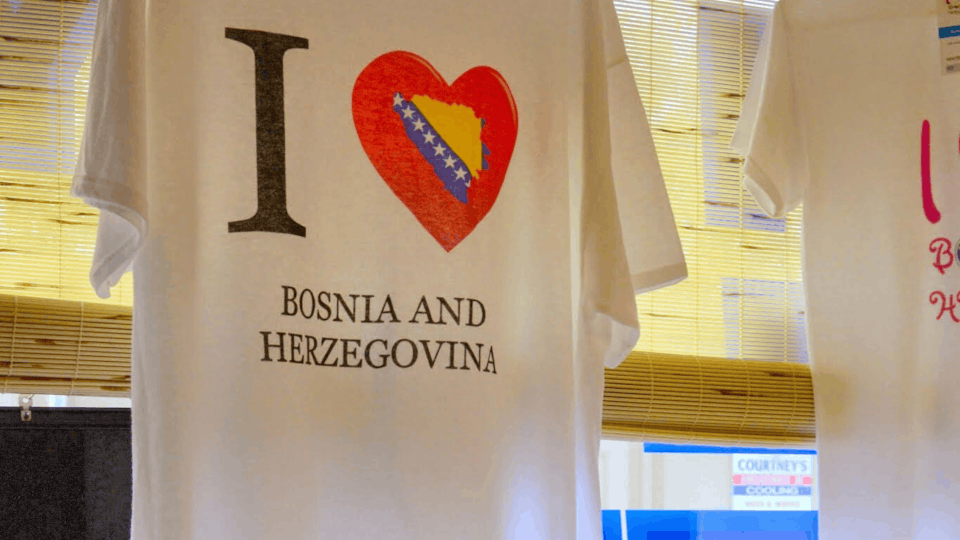
I ♥ Bosnia & Herzegovina t-shirt in a local shop in the Bevo Mill neighborhood.
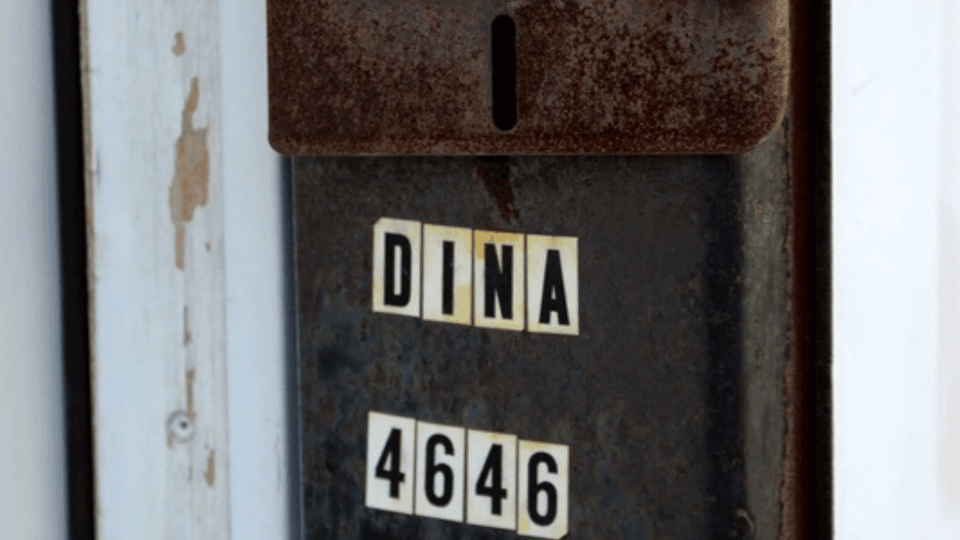
Mailbox for Dina's Beauty Shop (Beauty Salon Dina).
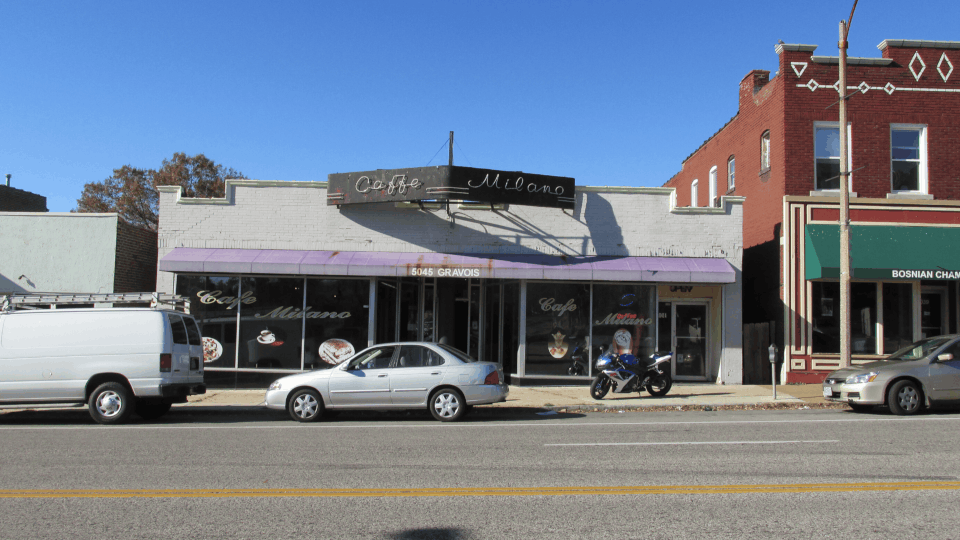
Now closed, Café Milano was a Bosnian-owned and operated coffee shop at the heart
of the refugee community in St. Louis.
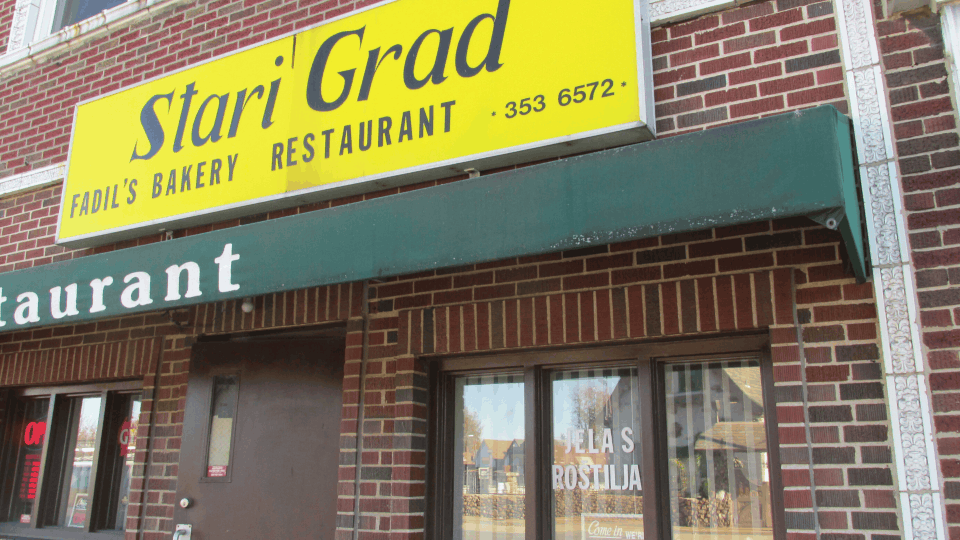
The Stari Grad (Old Town) Bakery and Restaurant offered giros and ćevapi alongside
traditional lepinja and pastries.
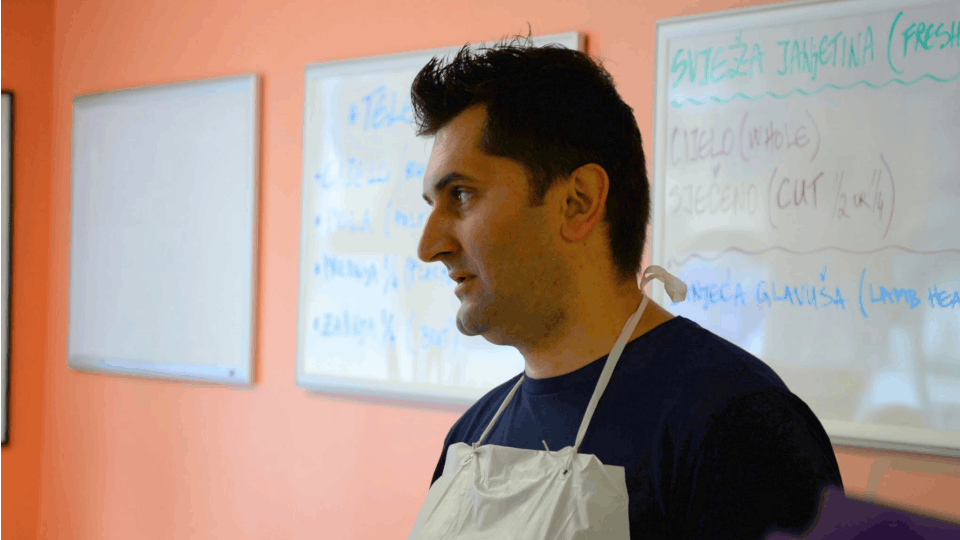
At the heart of the Bevo Mill neighborhood, the family-run business was an essential
part of the local community.
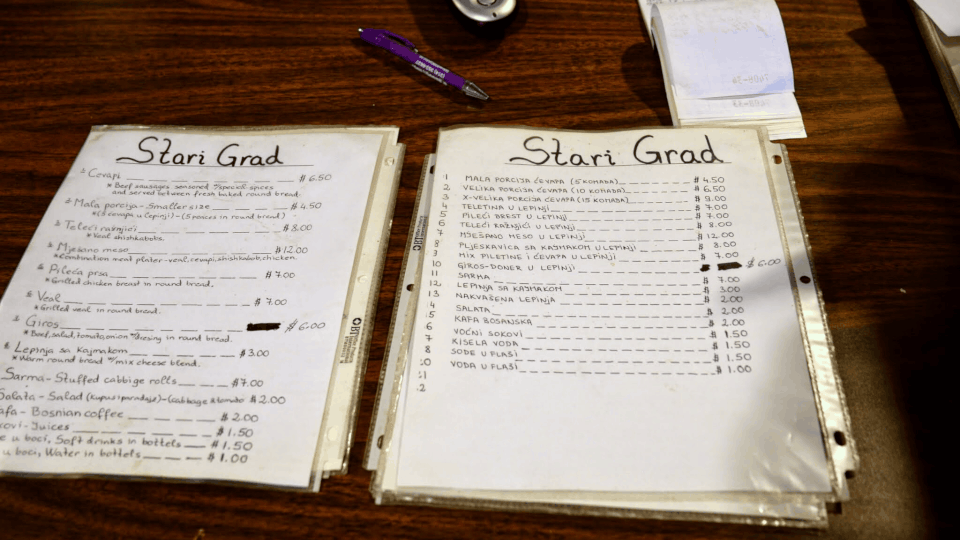
Stari Grad's location now serves as the kitchen space for Tim's Chrome Bar.
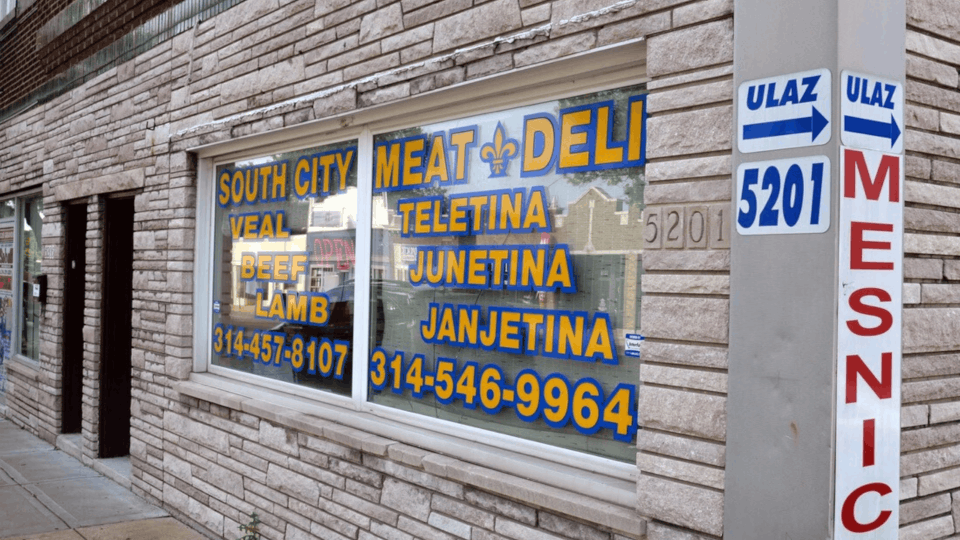
South City Meat & Deli combines an old-school butcher counter with a modern neighborhood
market.
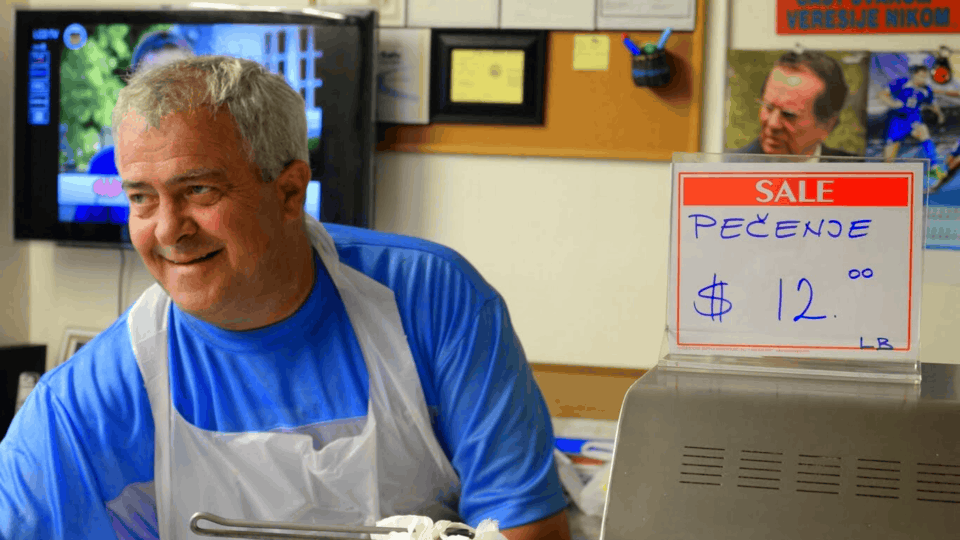
The meat counter offers specialty cuts that cater to traditional Balkan recipes.
The deli cases stock smoked meat, European-style sausages, and other regional favorites.
The south-city market also serves as a popular community gathering space.
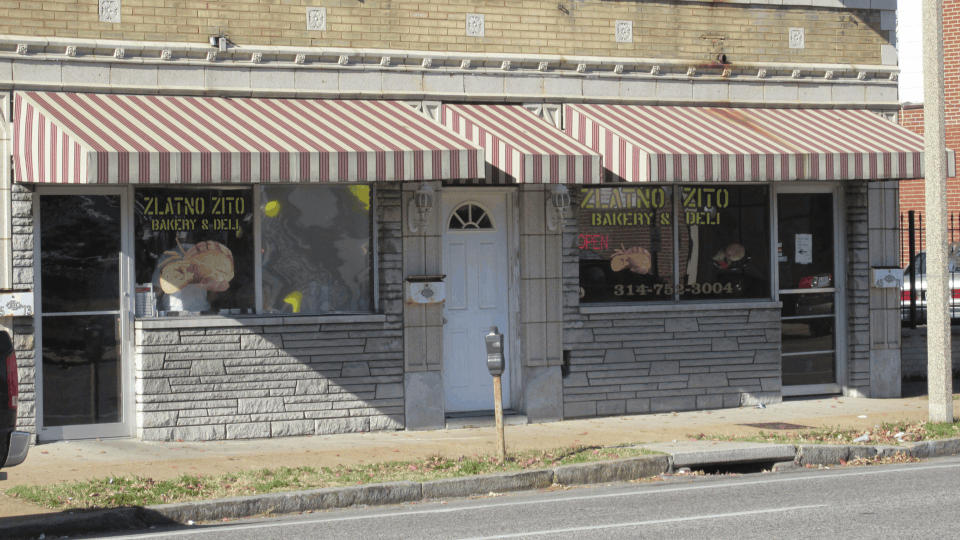
Zlatno Žito Bakery and Deli is a landmark in the local Bosnian community. Specialties
include lepina (flatbread), ćevapi (grilled minced beef sausages served with bread),
and burek (minced meat pastries).
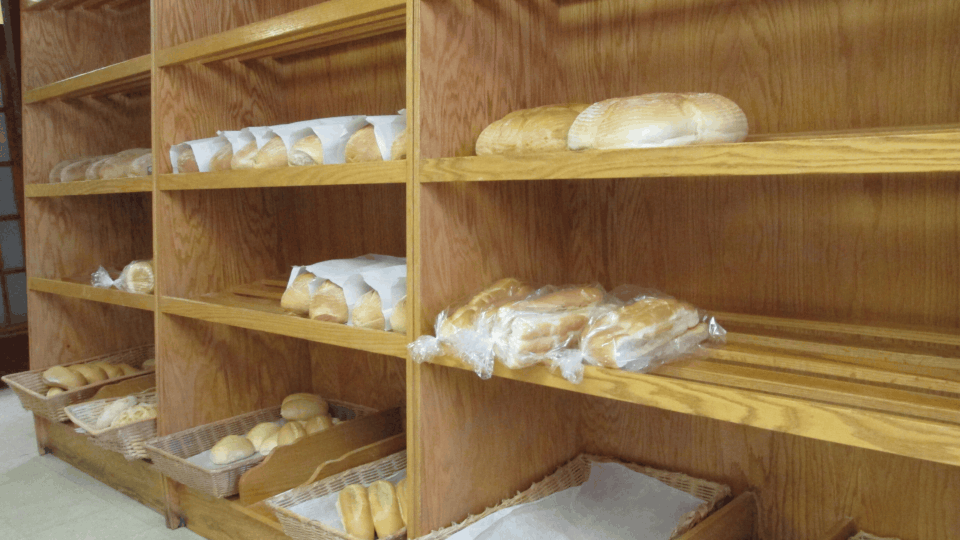
Zlatno Žito means Golden Grain in Bosnian. In addition to the bakery and prepared
food, the location offers a neighborhood deli and market.
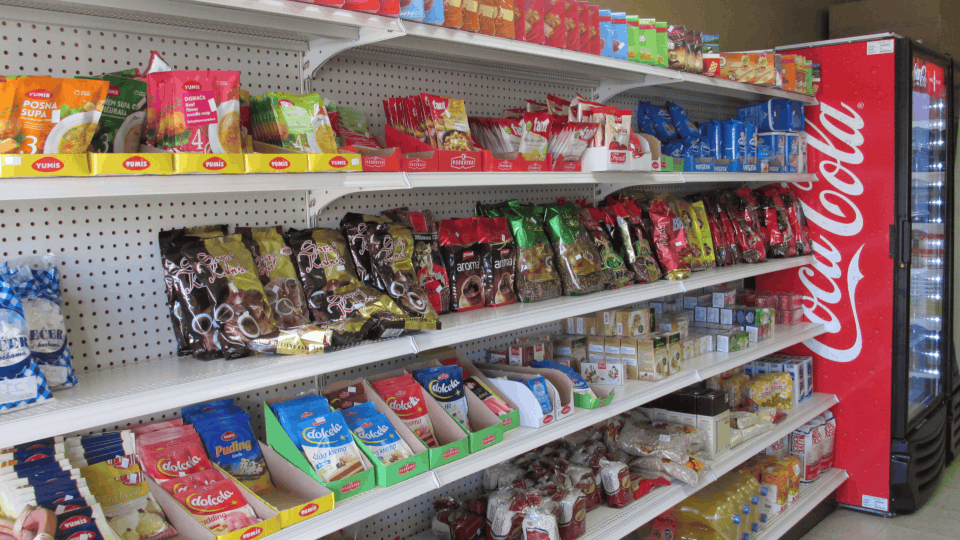
The market shelves are stocked with imported treats and popular snacks. These shelves
are mostly chocolates and cookies.
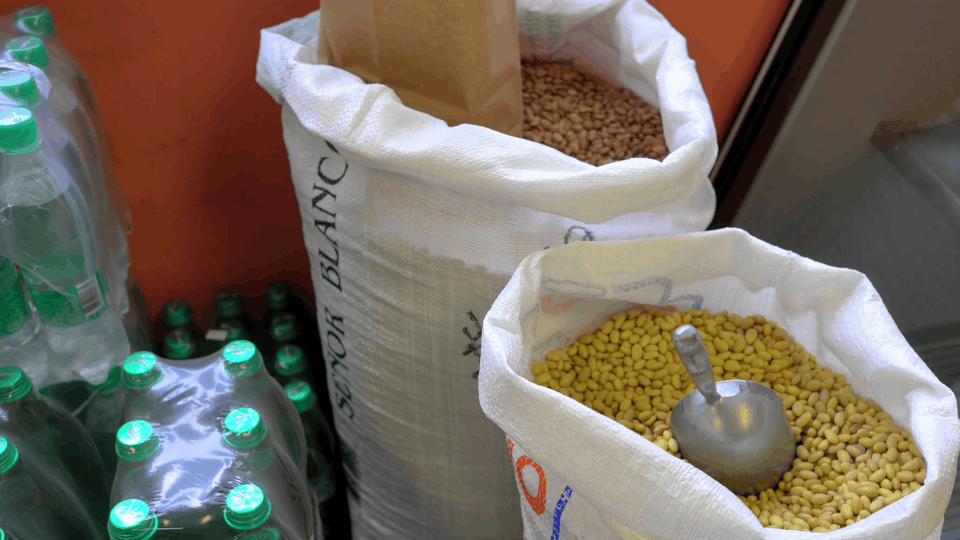
Staples include familliar pantry items like these beans, which might be used to make
'grah', a smoky bean stew flavored with onions, garlic, carrots, and paprika.
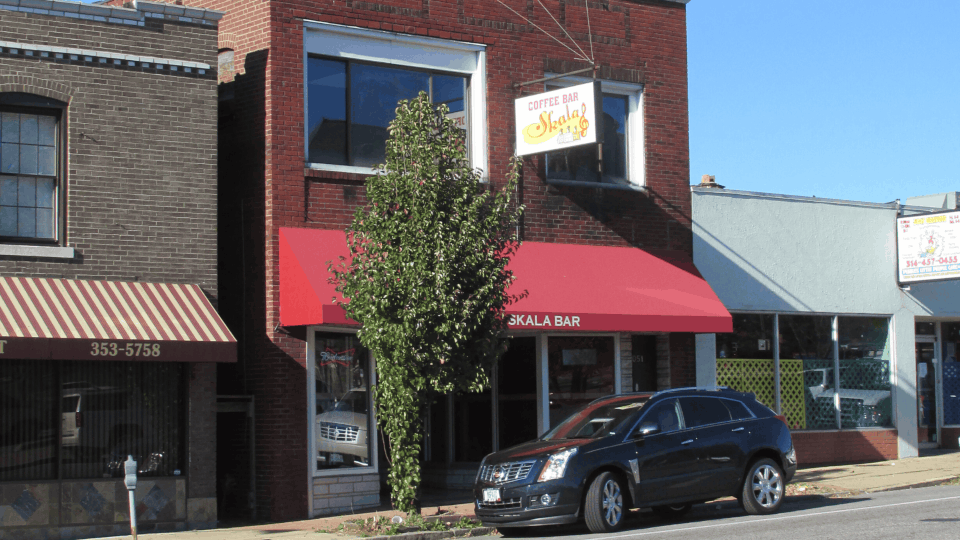
Coffee Bar Skala serves espresso and european pastries by day; the late-night Skala
Bar offers cocktails, music, and soccer on its screens whenever possible.
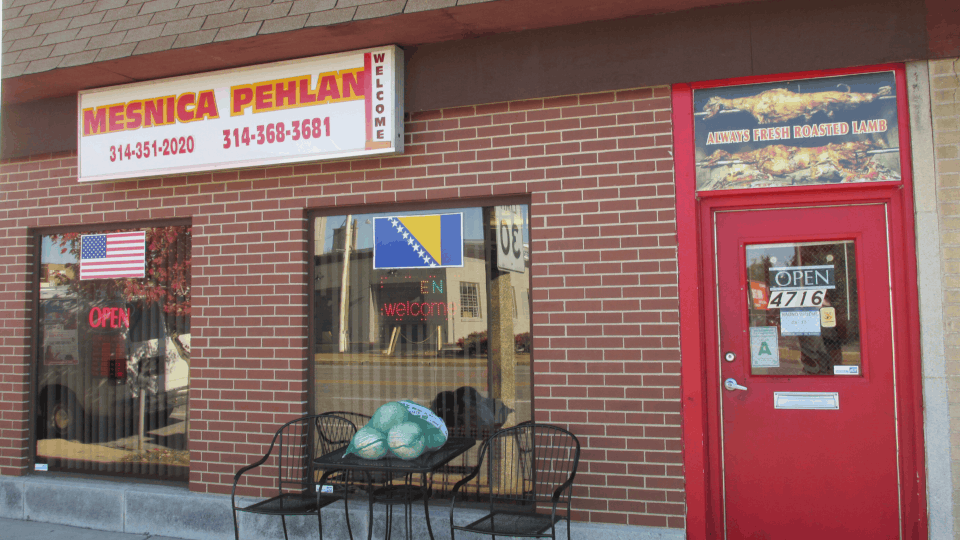
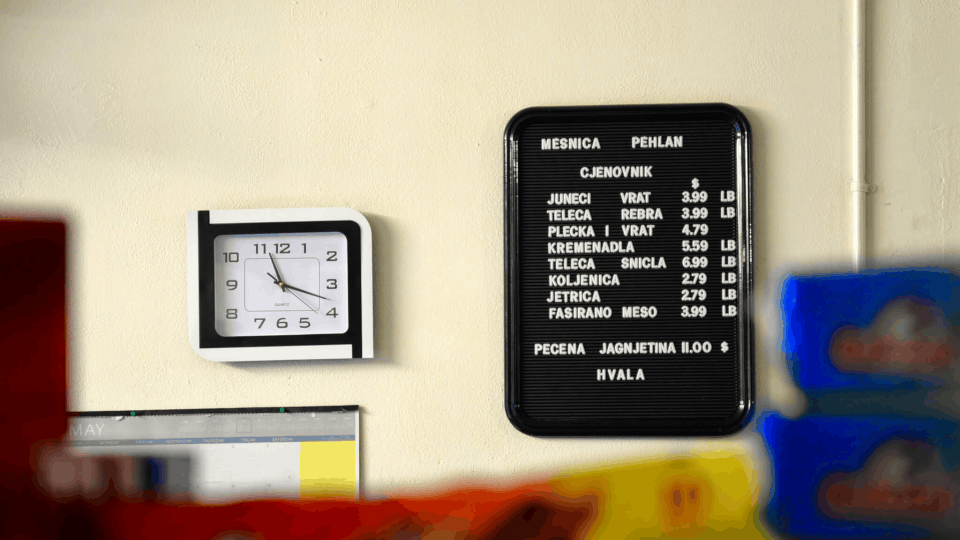
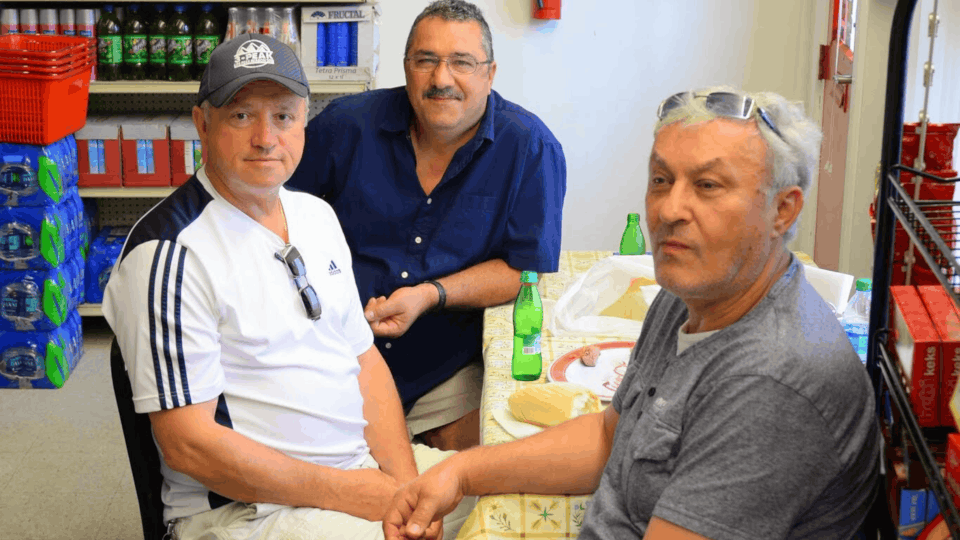
Mesnica Pehlan was a local Bosnian butcher shop run by a husband-wife team.
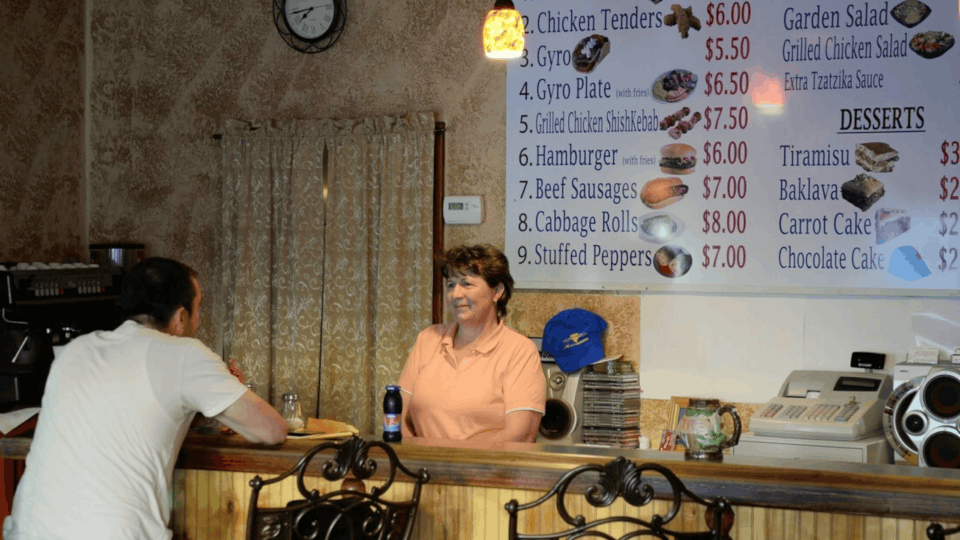
The business provided customers with specialty smoked meats, whole roasted lambs,
imported candies, and a large collection Bosnian movies and music.
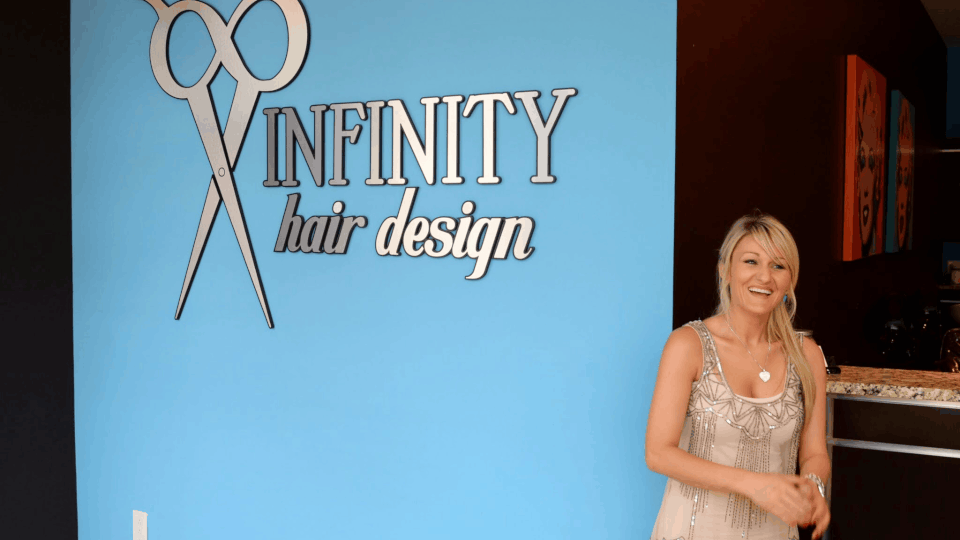
Amela Okanović's Infinity Hair Design is a neighborhood salon that offers professional
service and a community meeting place.
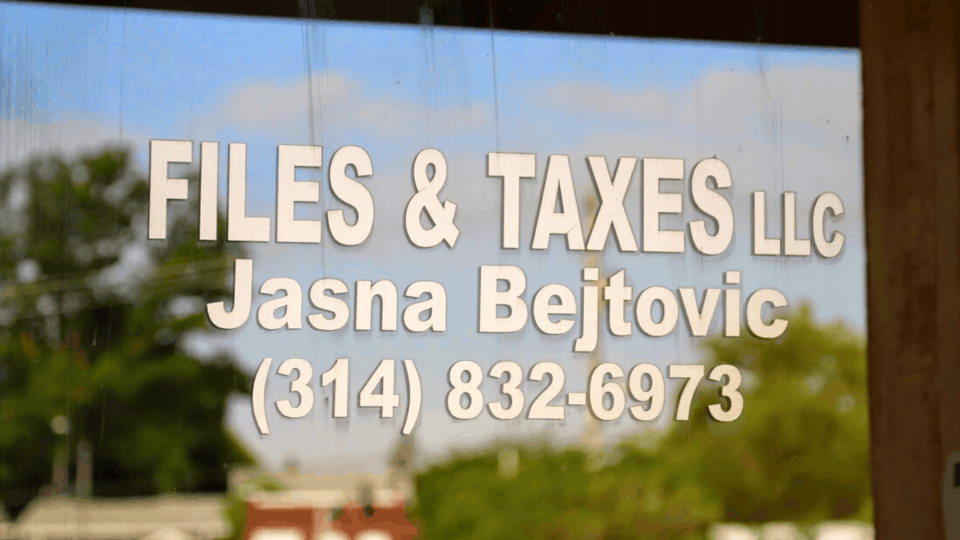
Now Files & Taxes, Inc., Jasna Bejtovic's business was founded to serve the needs
of individuals and small businesses in the neighborhood. It has grown with the community,
establishing additional offices in the metropolitan area.
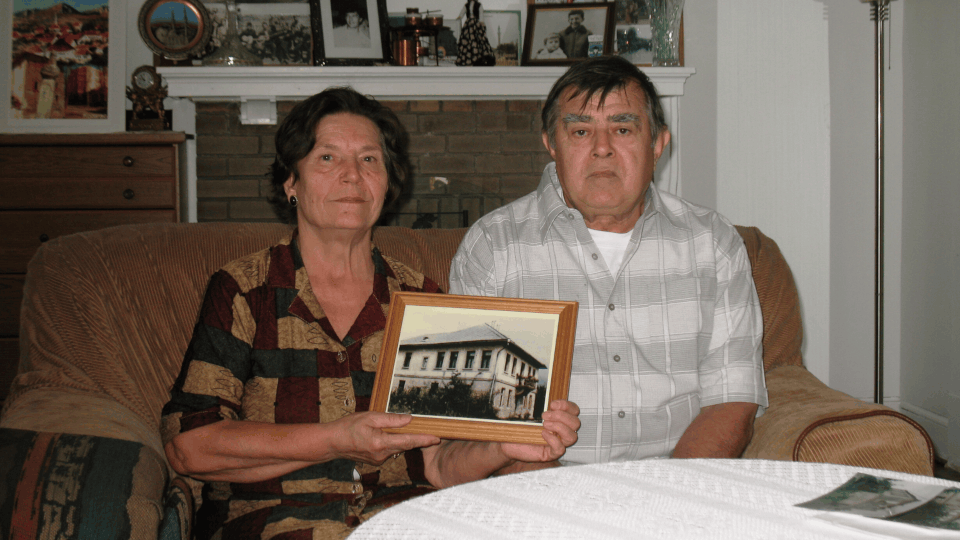
Sabiha and Resad Kulenović hold a photograph of their home in Kozarac, Prijedor. The
photo was part of the multimedia exhibit launched in collaboration with the Union
of Citizens of the Municipality of Prijedor and the St. Louis Holocaust Museum and
Learning Center in 2007.
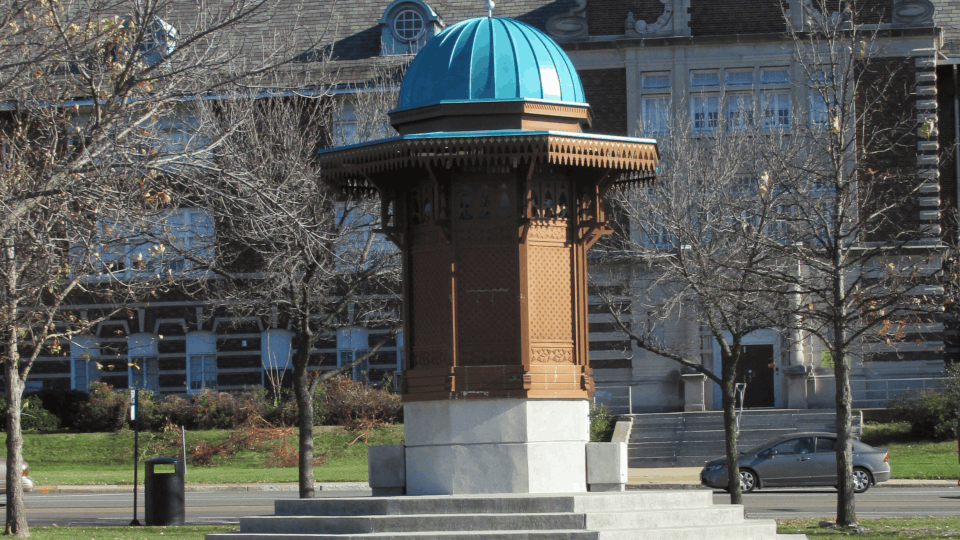
The Sebilj of St. Louis is a replica of the historic Ottoman-style fountain in Baščaršija
Square in Sarajevo, BiH. The fountain was a gift from the local Bosnian community
to honor the 250th anniversary of St. Louis.
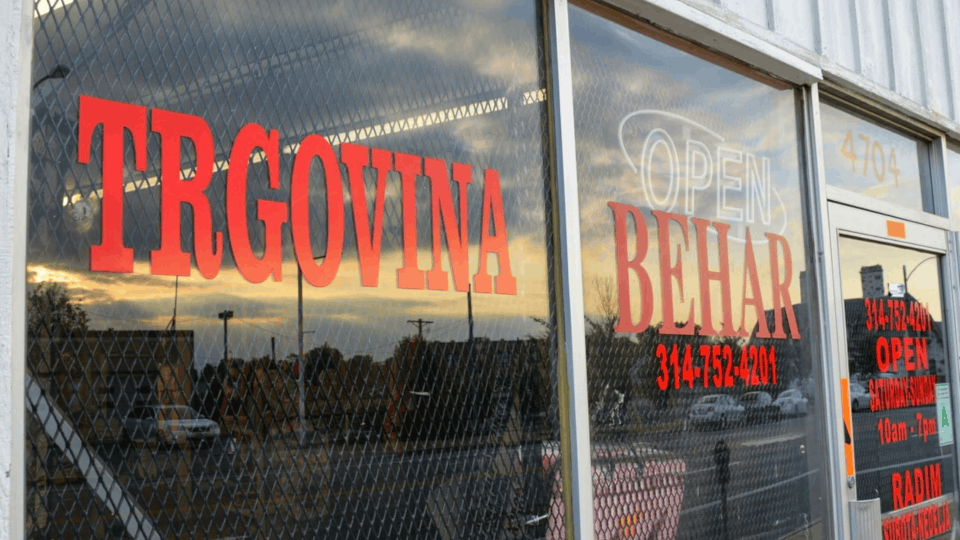
Trgovina Behar (Blossom Shop) was a vital community anchor and one of the original
refugee-owned businesses founded in the Bevo Mill area in the 1990's.
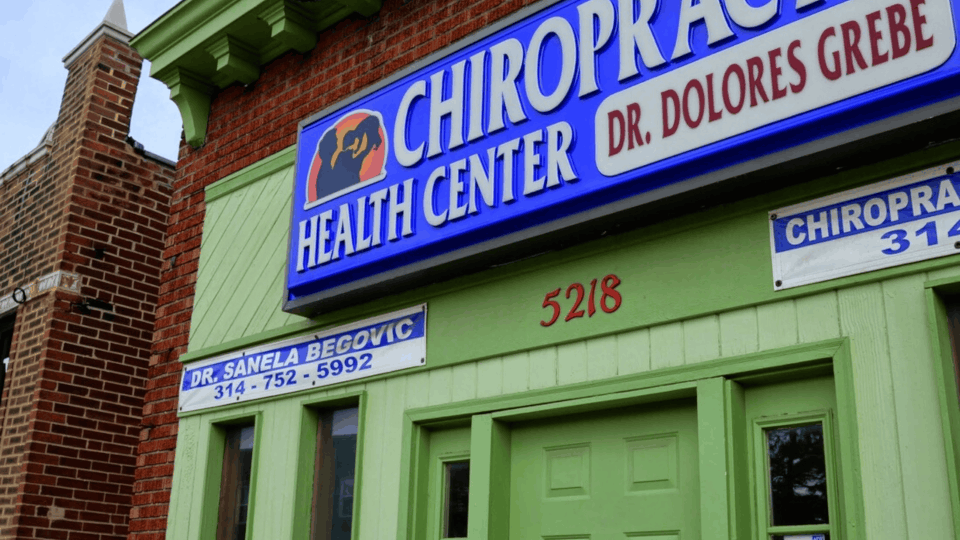
Begovic Chiropractic Health was a pillar in the south-city community, where Dr. Sanela
Begovic served refugees and their families for decades.
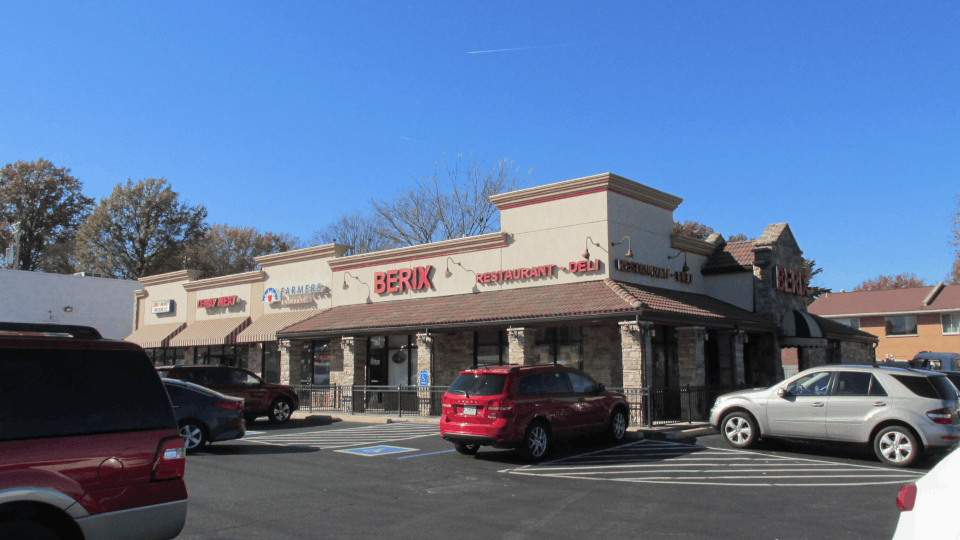
Founded to roast and provide traditional european coffee in the Bevo Mill area, Berix
eventually moved to South County to expand to a full restaurant and deli.
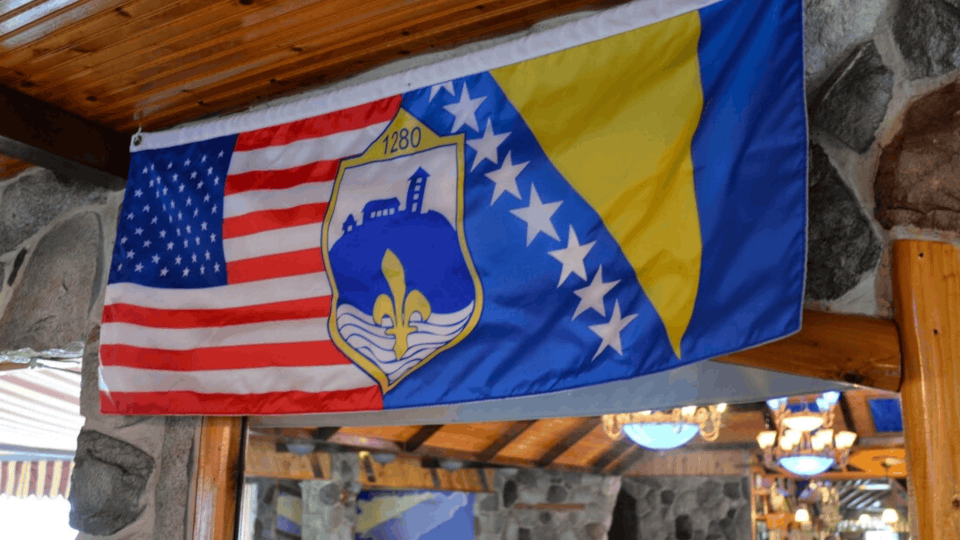
The family-run business was founded by Berik and Dzevida Nukic and is known for its
autherntic turkish coffee and large plates of homemade Eastern European comfort food.
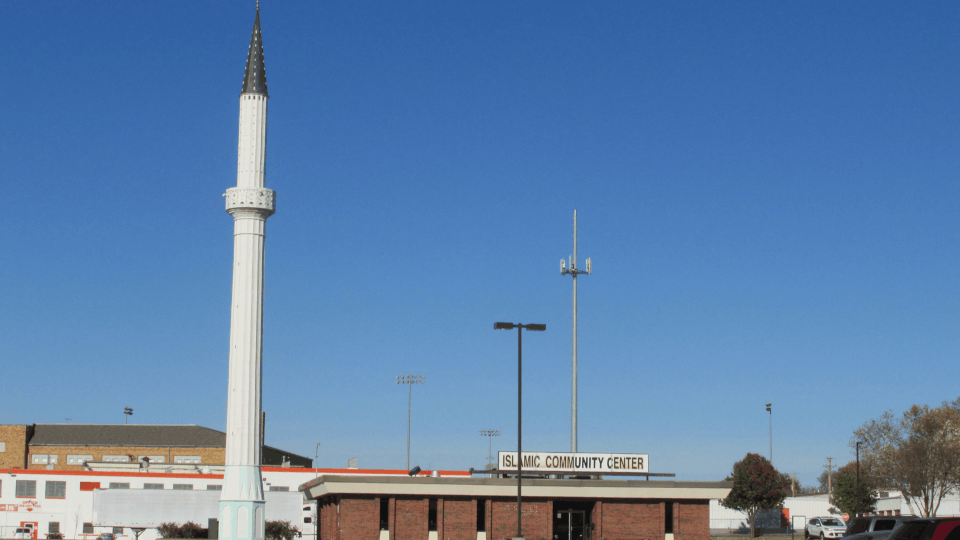
The Madina Masjid on Lansdowne serves as a place of prayer for Sunni Muslims. The
Islamic Community Center offers educational activities and social events for the neighborhood.
The Bosnian population in St. Louis, Missouri numbers more than 60,000, making it
the largest Bosnian community outside of Bosnia. Nearly all of the members of this
community came to St. Louis as a result of the war and genocide perpetrated in Bosnia
between 1992 and 1995. Between 1992 and 1998, Bosnians were allowed to emigrate to
the U.S. as refugees, and St. Louis became a preferred destination due to the availability
of jobs and inexpensive housing. Since 1998, St. Louis' population has continued to
grow due to secondary migration of Bosnian refugees from other parts of the U.S. Increasingly,
what began as a refugee community has become an integral part of the social fabric
of St. Louis as Bosnian refugees have become citizens and as a younger generation
has increasingly self-identified as Bosnian American.
The majority of Bosnians living in St. Louis are European Muslim; however, the St.
Louis Bosnian community's ethnic identity is remarkably complex. Some members of this
community are Croat (Catholic) or Serb (Orthodox), and some Bosnian families in St.
Louis are of mixed ethnicity. In addition, the degree of religiosity among St. Louis'
Bosnians varies considerably.